

Rear-End Collision Claims in Nevada: Why “Obvious” Fault Still Gets Disputed
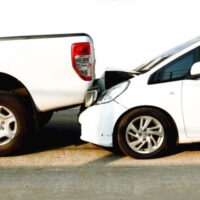
Most people assume a rear-end collision settles itself. The car in back struck the car in front, so the case should be simple. Insurance adjusters see it differently, and that gap between assumption and practice is where a lot of otherwise strong claims lose value.
There is no Nevada statute that automatically assigns fault to the rear driver. What exists instead is a general expectation, developed through case law and everyday driving standards, that a trailing driver is responsible for keeping enough distance to stop safely. That expectation is a starting point for negotiation, not a guaranteed outcome, and adjusters know how to work around it.
How Insurers Chip Away at a Straightforward Claim
Adjusters rarely deny that a crash happened. Instead, they look for a reason to shift part of the blame onto the driver who was hit. Common arguments include:
- The lead vehicle stopped suddenly or had a malfunctioning brake light, cutting down the rear driver’s reaction time.
- The lead vehicle changed lanes, merged, or reversed immediately before the impact.
- Weather or road conditions, such as black ice or an unmarked construction zone, made a full stop harder to judge.
- A chain reaction involving a third vehicle means more than two drivers may share responsibility.
- Prior wear on brake lights, tires, or suspension is used to argue the front vehicle contributed to the outcome.
Each of these arguments serves one purpose. Nevada follows a modified comparative negligence rule under NRS 41.141, which allows an injured person to recover damages only if their own fault does not exceed the combined fault of the other parties involved. If an insurer succeeds in pushing a claimant’s assigned fault past that threshold, even by a few percentage points, the payout shrinks sharply or disappears completely. Someone found 30 percent at fault on a sizable claim loses close to a third of its value before negotiations even get serious. Push that figure to 51 percent, and the claim is worth nothing under state law.
Why the Numbers Get Decided Early
This is the part that catches people off guard. Being right about what happened is not enough on its own. Fault percentages are often shaped by photographs, vehicle damage patterns, and statements gathered in the days right after the crash, long before an attorney becomes involved. Insurers move quickly to lock in language from an early phone call that can later be used to argue shared fault, which is one reason recorded statements deserve caution.
Nevada also imposes a two-year deadline for filing a personal injury lawsuit under NRS 11.190(4)(e). That clock keeps running during settlement talks with an insurance company, so preserving evidence early matters even when a lawsuit feels far off.
Anyone recovering from a rear-end crash deserves a straightforward read on how fault is likely to be argued, not just how it should be assigned in a fair world. As Las Vegas rear-end collision attorneys, we review the physical evidence early, before an insurer has the chance to shape the story. If you were hit from behind and are already fielding questions about your own driving, we encourage you to speak with our team at Mainor Ellis Injury Lawyers before giving a recorded statement to anyone.
Source:
leg.state.nv.us/nrs/nrs-041.html
