

Multi-Vehicle Accidents and Determining Fault in Nevada
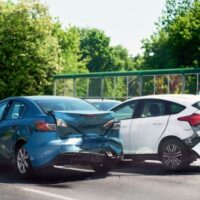
A crash involving two vehicles is complicated enough. But when three or more cars are tangled up in the same collision, sorting out who is responsible for what can feel overwhelming. If you were hurt in a multi-vehicle accident in Nevada, understanding how fault works under state law is one of the most important things you can do to protect your right to compensation.
How Nevada Handles Fault When Multiple Drivers Share the Blame
Nevada follows a legal standard known as modified comparative negligence, codified under NRS 41.141. Under this rule, fault is not an all-or-nothing determination. Instead, each party involved in an accident can be assigned a percentage of responsibility based on their role in causing the crash. Your compensation is then reduced by your own percentage of fault.
There is one critical threshold to keep in mind: if you are found more than 50 percent at fault, you are barred from recovering anything at all. But as long as your share of blame does not exceed that of the combined fault of all defendants, you can still recover. This matters especially in multi-vehicle collisions because Nevada compares your fault against the combined negligence of all other responsible parties, not against each one individually. That distinction can make a significant difference in the outcome of your claim.
What Makes Multi-Vehicle Crashes So Difficult to Untangle?
In a typical rear-end collision, fault often points in one clear direction. Multi-vehicle accidents, sometimes called chain-reaction or pile-up crashes, are a different story. Consider a scenario where Driver A rear-ends Driver B, pushing Driver B into Driver C. Was Driver A the only one at fault? Or did Driver B follow too closely behind Driver C? Did Driver C make a sudden lane change? These questions matter because the answers determine how much each party pays and how much each injured victim can recover.
The evidence used to sort out these questions typically includes:
- Police accident reports and citations issued at the scene
- Eyewitness accounts from other drivers, passengers, and bystanders
- Traffic and surveillance camera footage, which is often available along Las Vegas roadways
- Vehicle damage analysis and accident reconstruction by experts
- Cell phone records or data from onboard vehicle systems that may show speed or braking behavior
Each insurer for each driver will conduct its own investigation, often with competing conclusions. This is precisely why multi-vehicle claims can drag on longer than standard two-car accidents and why the stakes around fault percentages are so high.
How Several Liability Affects Who Pays What
Under Nevada’s comparative negligence framework, each defendant is generally responsible only for their own percentage of fault when it comes to non-economic damages like pain and suffering. For economic damages such as medical bills and lost wages, however, defendants who are found liable may bear joint responsibility. This means that if one at-fault driver lacks adequate insurance or resources to pay their share, the situation can become more complex to navigate.
When multiple insurance companies are involved, each will push to minimize their own client’s share of fault, often at your expense. Without a clear picture of the full picture of evidence, an injured victim can end up absorbing blame that should rest elsewhere.
Talk to Our Team Before the Insurance Companies Close In
Multi-vehicle accident claims move quickly, and the evidence that establishes fault can disappear just as fast. If you were hurt in a pile-up or chain-reaction crash in Nevada, do not wait to get legal help. Our Las Vegas personal injury lawyers at Mainor Ellis Injury Lawyers know how to investigate these accidents thoroughly, challenge unfair fault assignments, and build the strongest possible case on your behalf. Contact Mainor Ellis Injury Lawyers today at 702-450-5000 for a free consultation. We handle all cases on a contingency fee basis, so you owe us nothing unless we recover for you.
Source:
leg.state.nv.us/nrs/nrs-041.html#NRS041Sec141
